The Overwhelm Trap: Why Everything You're Hearing About AI Learning Is Wrong
Mar 30, 2026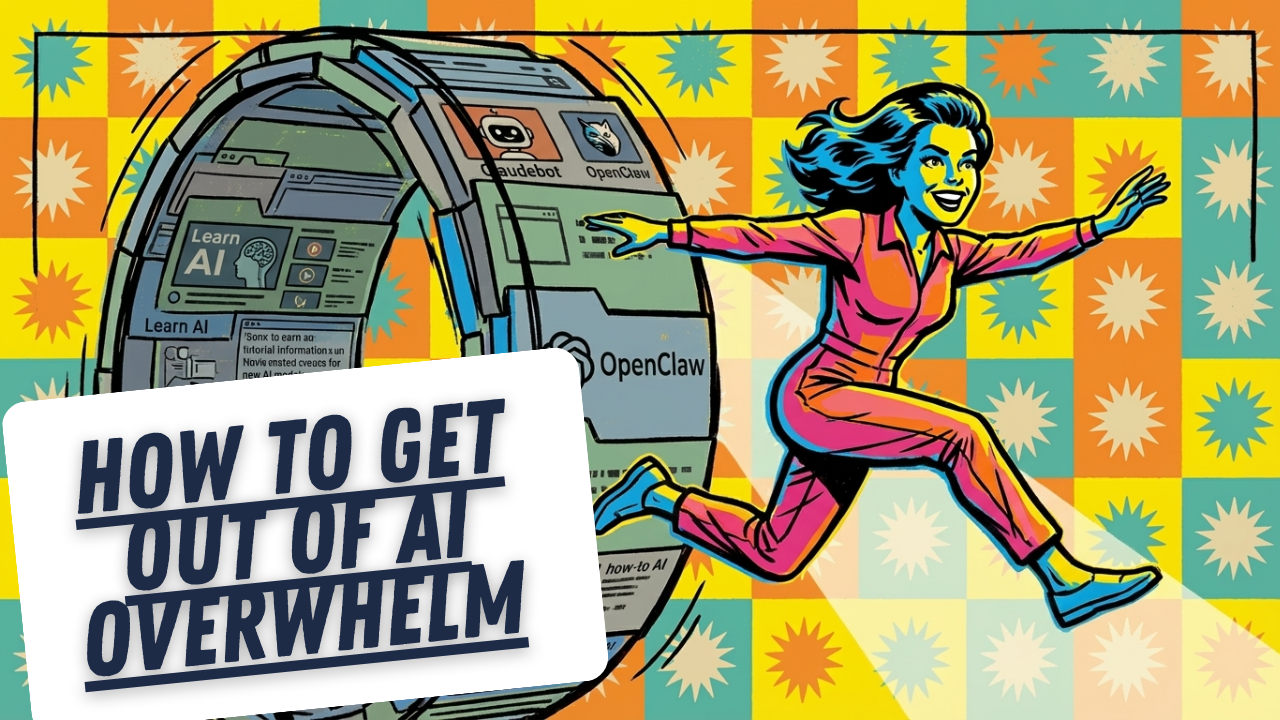
The Overwhelm Trap: Why Everything You're Hearing About AI Learning Is Wrong
It's 9:47pm on a Tuesday. You just got the kids down. You open LinkedIn and there it is again: another post about how every product leader needs to be building with AI. You have 43 minutes before you need to sleep to function tomorrow.
You close the app.
This happens every night. The guilt compounds. One of our community members described it as "AI shame" -- the quiet, corrosive feeling that you're falling behind, that you're not smart enough, that the people with free time will overtake you.
You're not wrong about the stakes. 66% of hiring managers now say they won't consider candidates without AI skills. 71% would hire a less experienced candidate WITH AI skills over a more experienced one without. The window is real. But the advice you're getting about how to close the gap? Almost all of it is designed for someone with a different life than yours.
Five Things Leaders Try. All Five Fail the Same Way.
I've watched this pattern play out with over 1,500 product leaders. The approaches differ, but the failure mode is identical: they keep you stuck consuming instead of doing.
-
Courses and certifications. The 40-hour online course you bought in January. You made it through Module 3. Attendance in the cohort-based versions I used to teach dropped to 30-40% by session three. You know this story because you've lived it.
-
Delegating AI to your team. Counterintuitive, but this is the biggest mistake senior leaders are making right now. "Leaders are buying expensive AI tools and throwing them at us to see what sticks" -- that's a direct quote from a senior PM in our community. When you delegate without understanding, you can't evaluate what comes back. You can't prioritize. You can't lead.
-
Tool-hopping. Becoming a "Copilot ninja" or a "ChatGPT power user" doesn't help you lead AI initiatives. It makes you a proficient user of one tool. The tool will change in six months. The leadership gap stays. (If you're wondering where tools like Claude Code fit into leadership vs. hands-on work, this is for you!)
-
Waiting it out. "I'll figure it out when it settles down." It's not settling down. Younger, less experienced people are getting pulled into AI initiatives ahead of more senior leaders while you wait. The window of opportunity is closing faster than anyone anticipated.
-
Content consumption. Newsletters, YouTube tutorials, podcasts (yes, including mine). Doomscrolling AI news feels productive. It is not. It's infotainment. One community member told me flatly: "I just gave up. I cannot keep up."
Every single one of these approaches shares the same structural problem. They separate learning from doing. You consume over here, and you're supposed to apply it... somewhere, eventually, on your own time. With your weeknights full of swim lessons and your weekends already spoken for.
The Reframe: It's Not About More Time
The problem was never that you weren't trying hard enough. The problem is that the entire ecosystem of "learn AI" content was built for people with margin in their calendars -- and you're a senior leader with a packed schedule, a team counting on you, and a life that doesn't pause for professional development.
What actually works is radically different from what's being sold.
You need to learn AND apply AND show in the same motion. Not consume content for months. Not watch tutorials hoping something sticks. A contained sprint where every hour of learning is immediately applied to building something real, and where you practice communicating about what you built to people who can give you honest feedback.
That's the structure. Learn, apply, show -- together, with guidance, in a defined window.
What Happens When the Structure Is Right
When you give senior leaders a structured sprint instead of a self-paced course, the transformation is visceral. Not gradual. Not "I learned some things." Visceral.
We've watched call center supervisors become Directors of Product. Music professors become the AI strategy lead at their companies. Career-changers with zero technical background walk out with working prototypes in production -- and the credibility that comes from having built something real, not just read about it.
One alumni put it perfectly:
"People are taking my words more seriously. They know I didn't just Google that."
That word -- "cred" -- keeps coming up. Not certificate. Not credential. Cred. The kind you earn by building something, showing it to skeptics, and watching them lean forward.
The difference between these leaders and the ones still stuck in the overwhelm trap? They didn't have more time. They didn't have stronger willpower. They had a structure that compressed learning and building into the same motion, in a contained window, with coaching and senior peers pushing them forward.
Eight weeks. A real product. A portfolio they walk into interviews with.
The Choice
You can keep trying to learn AI in the margins of a life that has no margins. You can keep feeling the guilt at 9:47pm when LinkedIn reminds you that everyone else seems to have this figured out.
Or you can bet on structure over willpower.
The masterclass, "How to Become an Indispensable AI Product Leader," walks through exactly what this path looks like. Ninety minutes that will show you the framework, the proof points, and the specific moves senior leaders are making to build real AI credibility -- without burning down their lives to do it.
Polly Allen is the founder of AI Career Boost and host of The AI Product Leader podcast. She led the first generative AI answers on Amazon Alexa in 2020, before ChatGPT made any of it mainstream, and built the AI Career Boost Blueprint — an 8-week program for product leaders from Staff and Senior Manager to CPO, becoming indispensable AI player-coaches. Subscribe to The AI Player-Coach newsletter → · Join the next live masterclass →